Adnan Khan
LinkedIn
→
Ambient Coworking
Invented a lightweight coworking experience using avatars on Meta Portal, enabling casual, privacy-friendly calls without video. The concept led to a patent, cross-org adoption, and helped address Zoom fatigue in remote teams through ambient presence.
Design Strategy & Vision
Innovation
Prototyping
2022
Overview
The Litmus Slack App was a part of the business’s first few initiatives on their “work where you work” mantra. With the ever growing and complex nature of workflows for deploying emails, the goal behind this mantra was to allow Litmus to integrate within current workflows of its users, including users of Slack. Other executions on this mantra included the Litmus Extension.
This was an opportunity for Litmus to position itself as a collaborative platform where teams worked together to achieve goals instead of just a specialized tool for email developers. The Slack App would provide timely notifications of Litmus activity to teams using Slack, including weekly reports, incident alerts and comments.
The Idea
The Litmus Slack App was a part of the business’s first few initiatives on their “work where you work” mantra. With the ever growing and complex nature of workflows for deploying emails, the goal behind this mantra was to allow Litmus to integrate within current workflows of its users, including users of Slack. Other executions on this mantra included the Litmus Extension.
This was an opportunity for Litmus to position itself as a collaborative platform where teams worked together to achieve goals instead of just a specialized tool for email developers. The Slack App would provide timely notifications of Litmus activity to teams using Slack, including weekly reports, incident alerts and comments.

Why it Matters
The Litmus Slack App was a part of the business’s first few initiatives on their “work where you work” mantra. With the ever growing and complex nature of workflows for deploying emails, the goal behind this mantra was to allow Litmus to integrate within current workflows of its users, including users of Slack. Other executions on this mantra included the Litmus Extension.
This was an opportunity for Litmus to position itself as a collaborative platform where teams worked together to achieve goals instead of just a specialized tool for email developers. The Slack App would provide timely notifications of Litmus activity to teams using Slack, including weekly reports, incident alerts and comments.
How it Works
The Litmus Slack App was a part of the business’s first few initiatives on their “work where you work” mantra. With the ever growing and complex nature of workflows for deploying emails, the goal behind this mantra was to allow Litmus to integrate within current workflows of its users, including users of Slack. Other executions on this mantra included the Litmus Extension.
This was an opportunity for Litmus to position itself as a collaborative platform where teams worked together to achieve goals instead of just a specialized tool for email developers. The Slack App would provide timely notifications of Litmus activity to teams using Slack, including weekly reports, incident alerts and comments.
- Presence detection via Portal’s smart camera shows which coworkers are currently available.
- Tap to talk: A single tap sends a non-intrusive chime.
- Live avatar call: The call begins with your avatar mirroring your facial expressions—no video needed.
Impact of Work
The Litmus Slack App was a part of the business’s first few initiatives on their “work where you work” mantra. With the ever growing and complex nature of workflows for deploying emails, the goal behind this mantra was to allow Litmus to integrate within current workflows of its users, including users of Slack. Other executions on this mantra included the Litmus Extension.
This was an opportunity for Litmus to position itself as a collaborative platform where teams worked together to achieve goals instead of just a specialized tool for email developers. The Slack App would provide timely notifications of Litmus activity to teams using Slack, including weekly reports, incident alerts and comments.
- Patent Filed (2022) Meta successfully filed a defensive patent on the concept, helping create product and IP differentiation.
- Cross-org Adoption: This calling paradigm began influencing other teams beyond Portal, including WWW and mobile surfaces.
- Strategic Differentiation: The work created new business value by enabling more lightweight, high-frequency interactions—driving engagement and device usage.
- Solving for Future of Work: In an increasingly remote world, we need tools that reduce Zoom fatigue. This was one of my contributions toward making that future more human.
Built with ❤ in Figma Sites


Adnan Khan
LinkedIn
→
Ambient Coworking
Invented a lightweight coworking experience using avatars on Meta Portal, enabling casual, privacy-friendly calls without video. The concept led to a patent, cross-org adoption, and helped address Zoom fatigue in remote teams through ambient presence.
Design Strategy & Vision
Innovation
Prototyping
2022
Overview
The Litmus Slack App was a part of the business’s first few initiatives on their “work where you work” mantra. With the ever growing and complex nature of workflows for deploying emails, the goal behind this mantra was to allow Litmus to integrate within current workflows of its users, including users of Slack. Other executions on this mantra included the Litmus Extension.
This was an opportunity for Litmus to position itself as a collaborative platform where teams worked together to achieve goals instead of just a specialized tool for email developers. The Slack App would provide timely notifications of Litmus activity to teams using Slack, including weekly reports, incident alerts and comments.
The Idea
The Litmus Slack App was a part of the business’s first few initiatives on their “work where you work” mantra. With the ever growing and complex nature of workflows for deploying emails, the goal behind this mantra was to allow Litmus to integrate within current workflows of its users, including users of Slack. Other executions on this mantra included the Litmus Extension.
This was an opportunity for Litmus to position itself as a collaborative platform where teams worked together to achieve goals instead of just a specialized tool for email developers. The Slack App would provide timely notifications of Litmus activity to teams using Slack, including weekly reports, incident alerts and comments.
Why it Matters
The Litmus Slack App was a part of the business’s first few initiatives on their “work where you work” mantra. With the ever growing and complex nature of workflows for deploying emails, the goal behind this mantra was to allow Litmus to integrate within current workflows of its users, including users of Slack. Other executions on this mantra included the Litmus Extension.
This was an opportunity for Litmus to position itself as a collaborative platform where teams worked together to achieve goals instead of just a specialized tool for email developers. The Slack App would provide timely notifications of Litmus activity to teams using Slack, including weekly reports, incident alerts and comments.
How it Works
- Presence detection via Portal’s smart camera shows which coworkers are currently available.
- Tap to talk: A single tap sends a non-intrusive chime.
- Live avatar call: The call begins with your avatar mirroring your facial expressions—no video needed.
Impact of Work
- Patent Filed (2022) Meta successfully filed a defensive patent on the concept, helping create product and IP differentiation.
- Cross-org Adoption: This calling paradigm began influencing other teams beyond Portal, including WWW and mobile surfaces.
- Strategic Differentiation: The work created new business value by enabling more lightweight, high-frequency interactions—driving engagement and device usage.
- Solving for Future of Work: In an increasingly remote world, we need tools that reduce Zoom fatigue. This was one of my contributions toward making that future more human.
Built with ❤ in Figma Sites
Adnan Khan
LinkedIn
→
Ambient Coworking
Invented a lightweight coworking experience using avatars on Meta Portal, enabling casual, privacy-friendly calls without video. The concept led to a patent, cross-org adoption, and helped address Zoom fatigue in remote teams through ambient presence.
Design Strategy & Vision
Innovation
Prototyping
2022
Overview
In 2022, I led a foundational piece of discovery work to better understand what users actually want from a modern workday device on their desk. Partnering with our user research team, we uncovered the top 11 goals users have during their workday, and mapped those goals against Portal's capabilities.
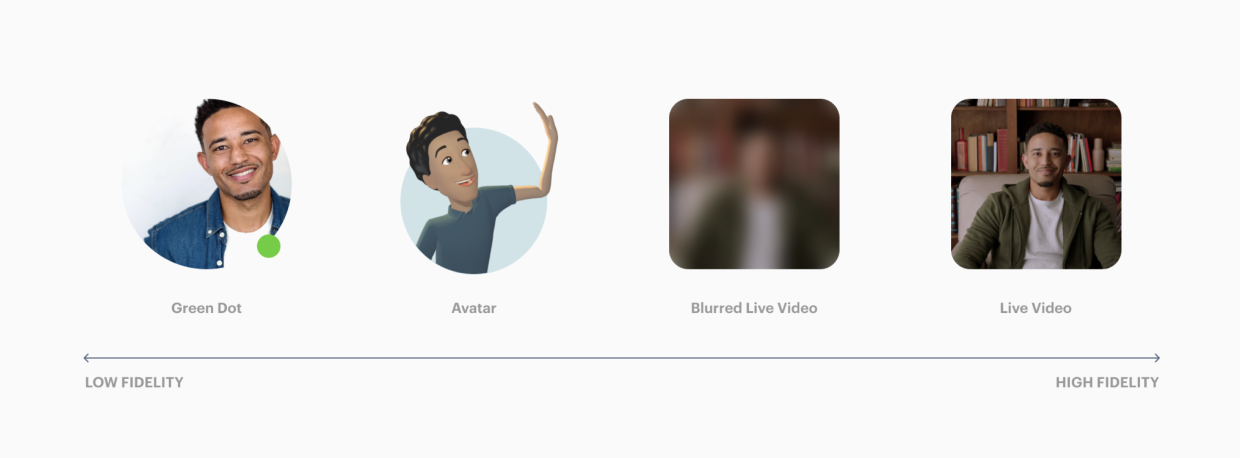
As a follow-up, I invented a new calling modality using Meta's avatars technology to deliver a more engaging and less intrusive coworking experience. Instead of relying on live video—which often feels invasive—users could be represented by expressive avatars in a shared virtual workspace.
The Idea
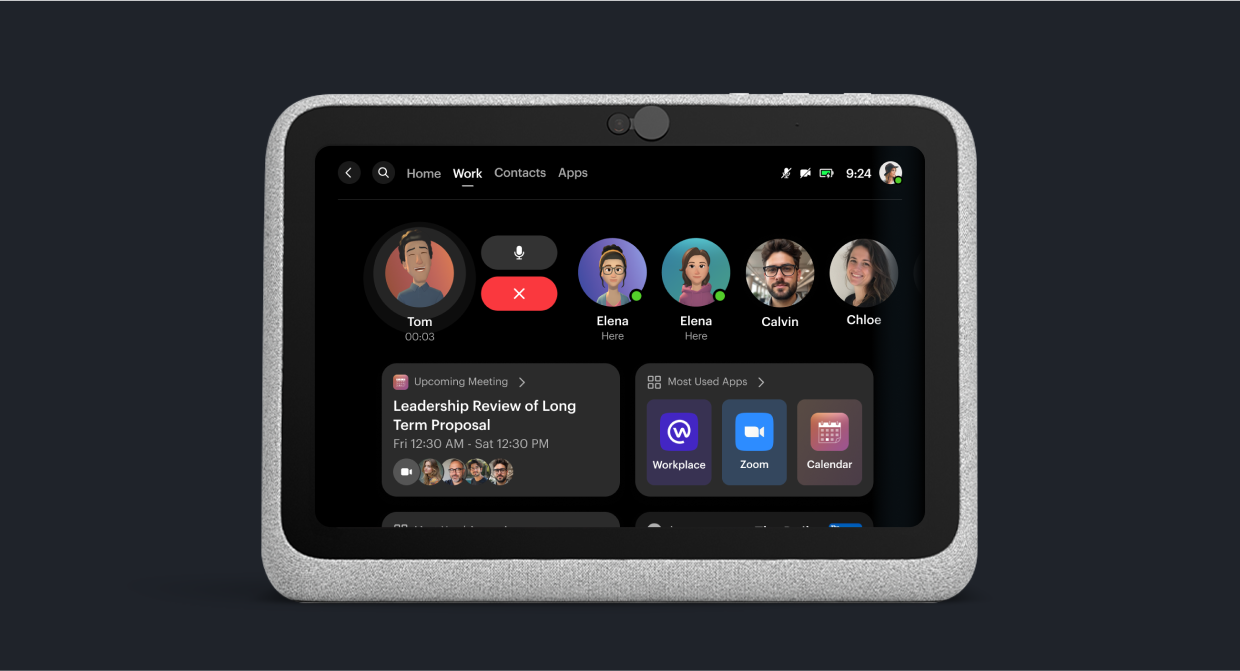
The concept enables coworkers to ambiently see when someone is at their desk via a subtle avatar representation powered by Portal’s smart camera sensors. With a single tap, you can initiate a casual avatar-based call—no awkward "Are you free?" messages or need to turn your camera on.
Why it Matters
Positioned between live video and audio calls, this concept strikes a balance between presence and privacy. It reduces friction in casual communication while preserving personal boundaries—especially relevant in the new normal of distributed work.
How it Works
- Presence detection via Portal’s smart camera shows which coworkers are currently available.
- Tap to talk: A single tap sends a non-intrusive chime.
- Live avatar call: The call begins with your avatar mirroring your facial expressions—no video needed.
Impact of Work
- Patent Filed (2022) Meta successfully filed a defensive patent on the concept, helping create product and IP differentiation.
- Cross-org Adoption: This calling paradigm began influencing other teams beyond Portal, including WWW and mobile surfaces.
- Strategic Differentiation: The work created new business value by enabling more lightweight, high-frequency interactions—driving engagement and device usage.
- Solving for Future of Work: In an increasingly remote world, we need tools that reduce Zoom fatigue. This was one of my contributions toward making that future more human.
Built with ❤ in Figma Sites